|
Research Interests:
Graduate Student, University of Alberta Sara is currently pursuing her MSc in Computing Science at the University of Alberta. She is under the supervision of Dr. Bailey Kacsmar in PUPS: Practical Usable Privacy and Security Lab. |
|
Education
Master of Science in Computing Science [Winter 2026 - Present] |
|
Bachelor of Science in Computer Science [Spring 2021 - Fall 2024] |
Research
|
|
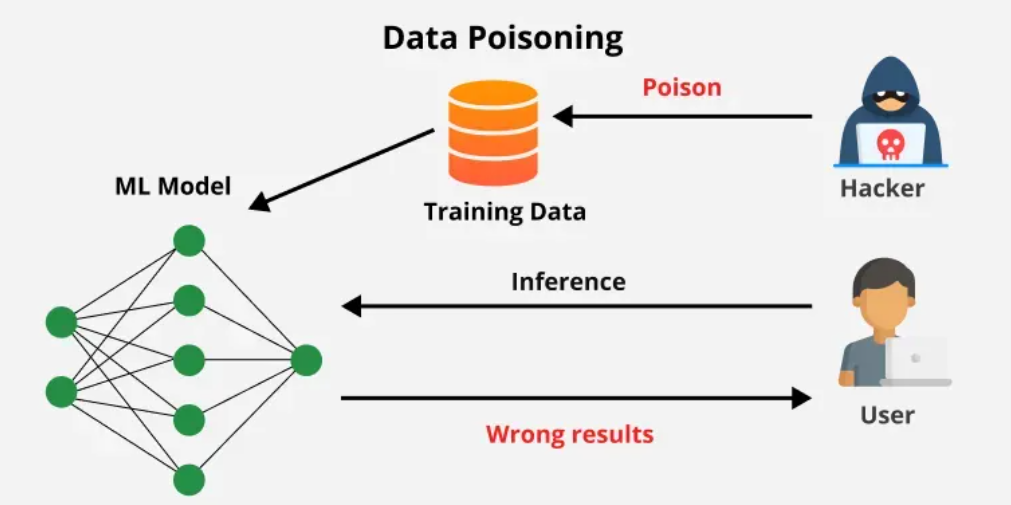
Proposing a New Attack Vector for LLM Poisoning Attacks
2026
Poisoning Attacks, LLMs, Machine Learning, Privacy |
|
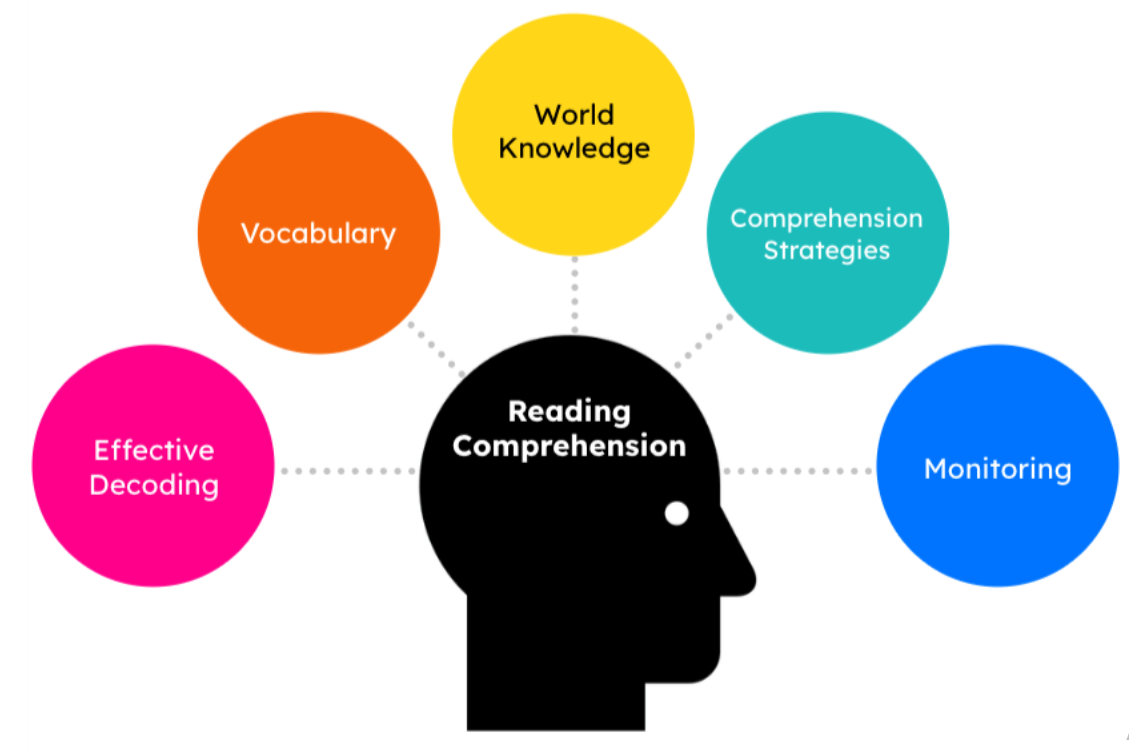
Evaluating Theory-Informed Linguistic Features and Large Language Models for Reading Comprehension Question Classification
2026
Learning Analytics, Educational Data Mining, Natural Language Processing |
|
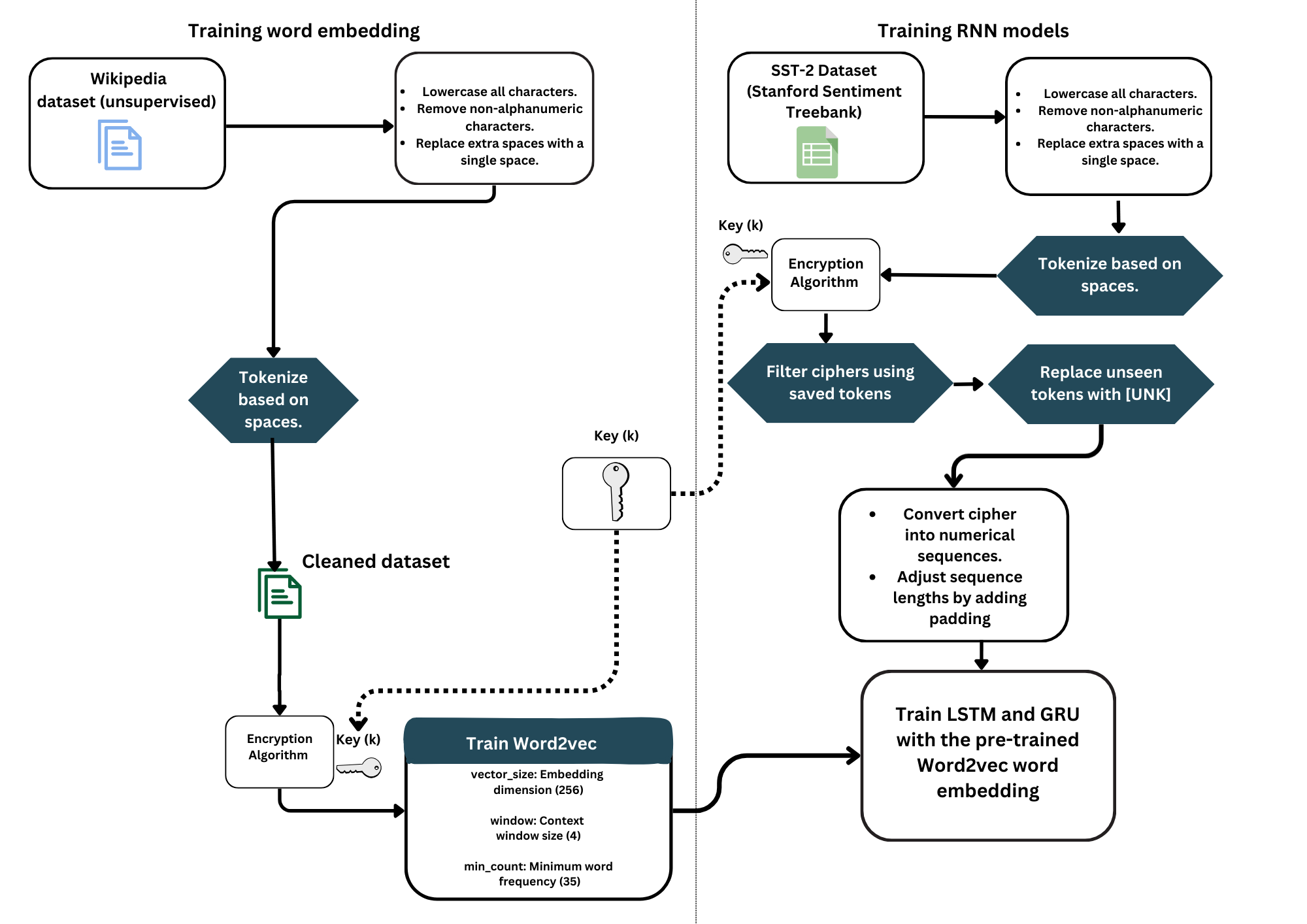
Encrypting Sentiments: A Study on Integrating Encryption Module with NLP Pipeline to Analyze Emotions While Ensuring Security
2024
Natural Language Processing, Privacy, and Cryptography |
|
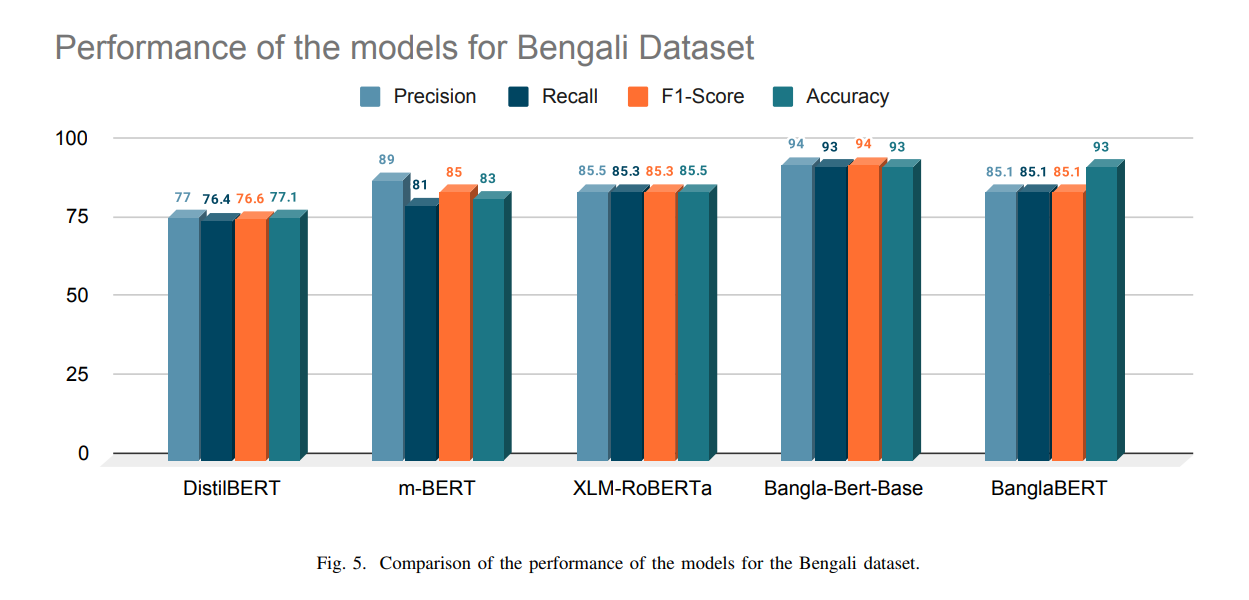
Automated Detection of Online Comments Using Transformers
2023 IEEE International Conference on Communication, Networks and Satellite (COMNETSAT)
Natural Language Processing, Fine-tuning Transformers |
|
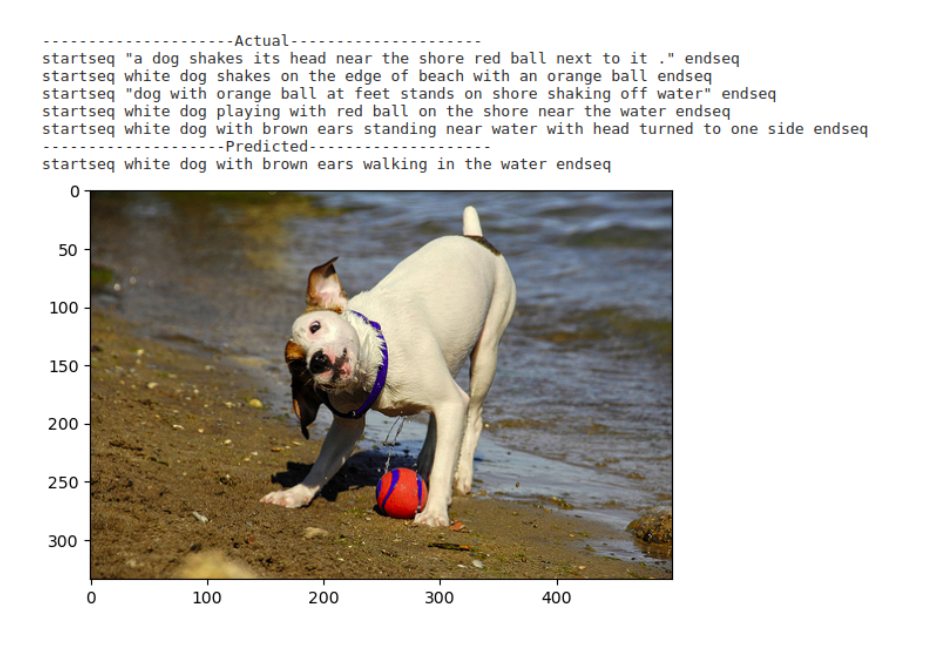
Automated Image Caption Generation using Deep Learning
2023 26th International Conference on Computer and Information Technology (ICCIT)
Natural Language Processing, Image Captioning, Computer Vision |
|
|